In protein mass spectrometry, sample preparation is critical, yet traditional workflows face persistent systemic deficiencies:
| Four Key Pain Points | Traditional Methods |
| Instrument Silos | Lysis to peptide cleanup requires ≥3 instrument transfers → sample loss & contamination risk. |
| Precision Defect | Enzymatic: base bias & uneven fragments; manual/sonication: low throughput & poor consistency. |
| Throughput Bottleneck | Unstable for 96-sample/batch HT, blocking the workflow. |
| Manual Intervention | Pipetting, plate transfer, centrifugation, and normalization rely on operator expertise → high inter-batch CV. |
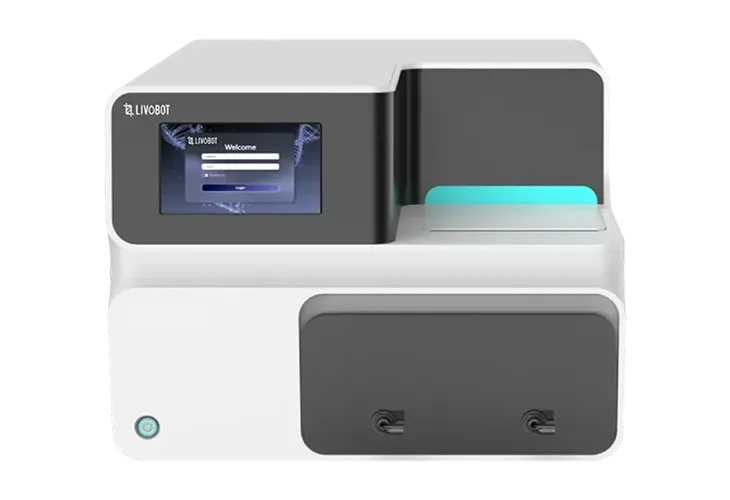
LivoBot's EoSonics® FRAG and EosBot® Protein-II work together to automate the entire workflow — from lysis to peptide prep.
1. EoSonics® FRAG Series Focused Ultrasonicator
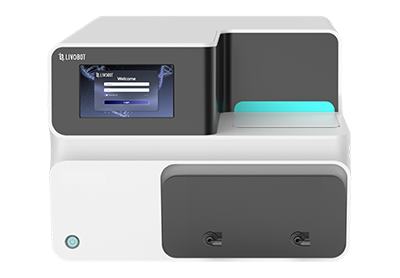
| Traditional Challenges | EoSonics® FRAG Series · Solution |
| Base bias in enzymatic digestion and uneven fragment distribution | ACU™ Focused Ultrasonication Technology: physical shearing with no sequence bias |
| Low single‑batch throughput requiring batch sample processing | Medium‑to‑high throughput coverage; rows 1–12 independently configurable with different parameters |
| Reliance on high-cost proprietary consumables | Compatible with open consumables including 8-strip tubes, 96-well PCR plates and cell culture plates |
| Cross-contamination between samples | Non-contact, self-contained enclosed reaction system |
| Well plate edge effect compromising assay consistency | Highly consistent fragmentation across all positions |
2. EosBot® Protein-Ⅱ Sample Preparation Workstation
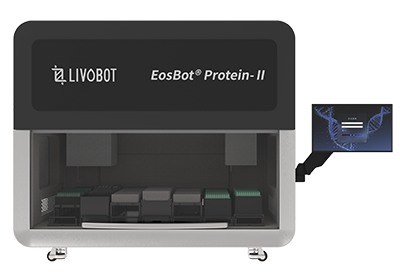
This unit offers positive‑pressure desalination capability, combined with a high degree of integration and operational flexibility.
| Traditional Challenges | EosBot® Protein-Ⅱ · Solution |
| Multiple instruments, multiple sample transfers | Zero‑transfer design: solid‑phase extraction, purification, and concentration normalization integrated into a single instrument |
| High error in manual concentration normalization | Built-in concentration normalization algorithm enables automatic calculation and normalization processing |
| Purification and digestion as separate operations | Integrated modules: liquid handling, magnetic bead purification, solid-phase extraction, thermostatted shaking and refrigeration |
| Limited throughput | 6×7 standard plate positions, 8–96 samples per batch |
| Uncontrolled, untraceable workflow | Visual drag‑and‑drop editing, real‑time monitoring and recording |
3. Full-workflow Automation
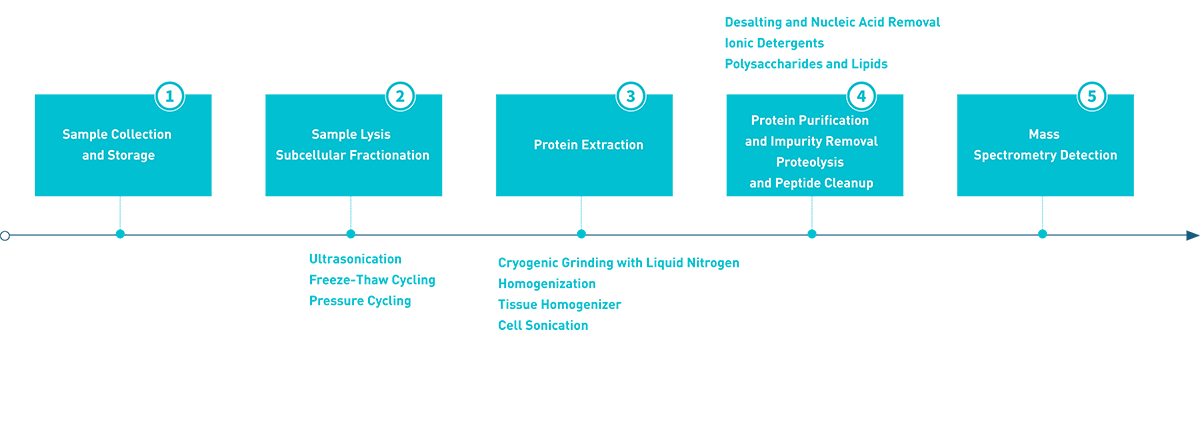
| Workflow Stages | Traditional Pain Points | Automated Solution |
| Sample Lysis | Enzymatic bias, low throughput, contamination risk | High throughput, non‑biased, open consumables |
| Protein Extraction | Manual operation errors | Automated pipetting and shaking |
| Protein Purification | Multiple instrument transfers | Integrated solid‑phase extraction + magnetic bead purification |
| Peptide Cleanup | Cumbersome procedures | Integrated positive pressure filtration + desalting |
| Concentration Normalization | High manual calculation errors | Built‑in algorithm for automatic normalization |
| Data Consistency | High inter‑batch CV | Standardized workflow → significantly reduced CV |

 CN
CN