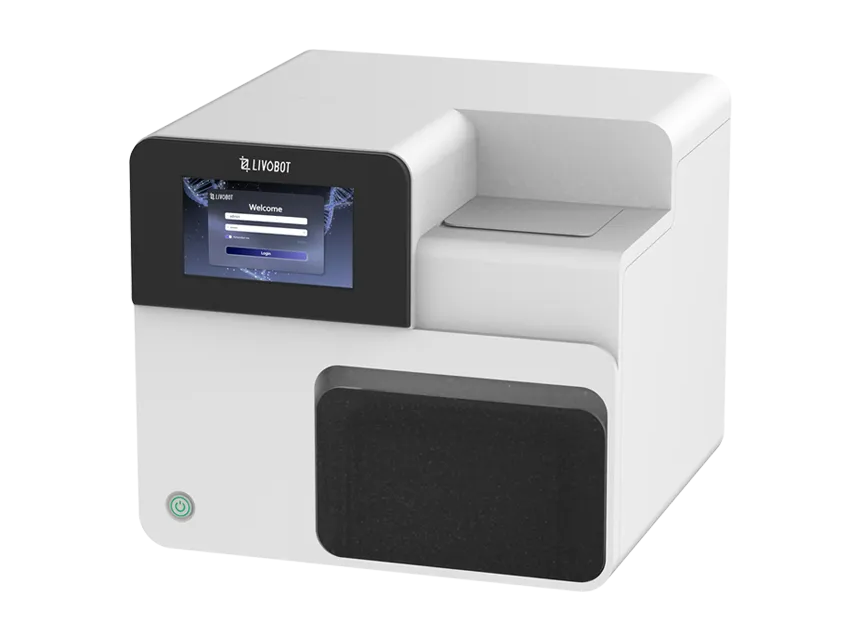
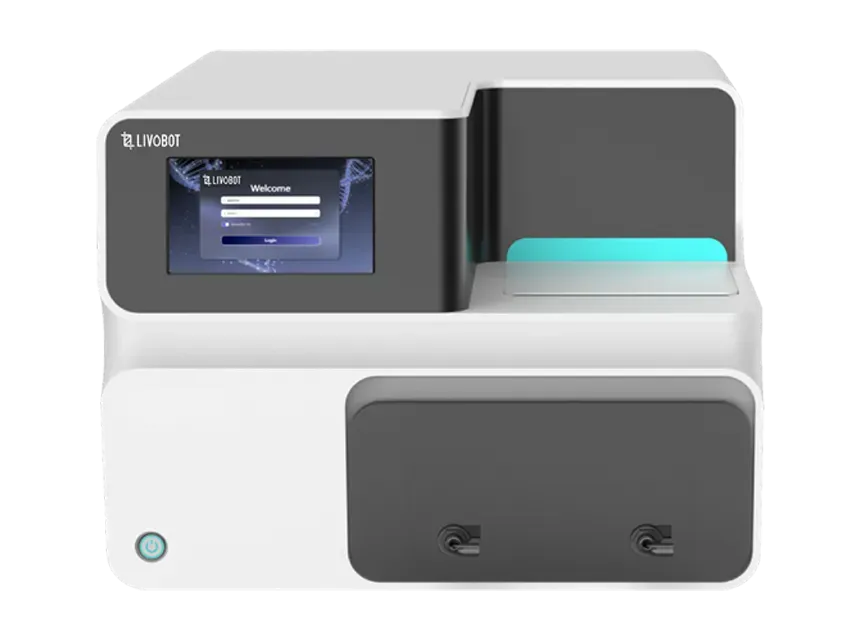
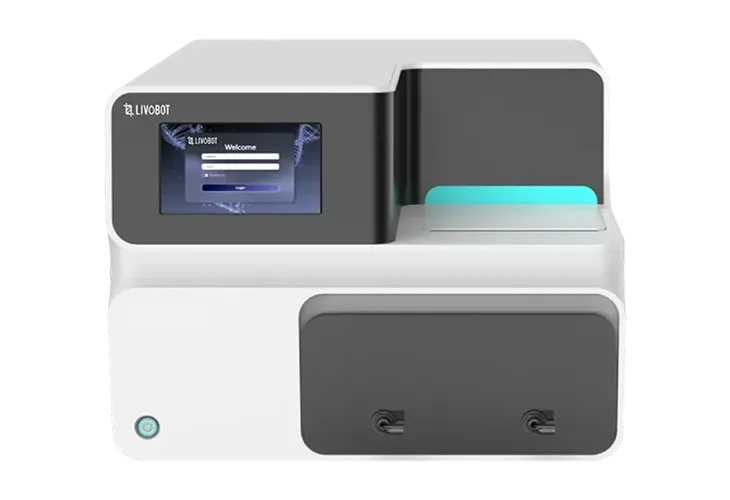
With an open consumable system, high-precision and efficient shearing performance, and full-scenario application adaptability, the LivoBot Sonicator delivers a more efficient, cost-effective, and stable solution for genomic sequencing sample preparation.
I. Open Consumable Design-Balancing Cost and Maximum Efficiency
Breaking free from the constraints of instrument-consumable bundling, the system supports open consumables and is directly compatible with standard laboratory consumables such as 8-well strips and PCR plates, significantly reducing annual consumable costs. In addition, a specialized consumable option is available: leveraging a unique structural design that ensures natural, uniform sample distribution within the system, combined with precise acoustic control, the instrument enables direct loading without centrifugation. This streamlined operation marks a key breakthrough in experimental workflow optimization. Open consumables meet the demand for high cost-efficiency, while specialized consumables are tailored for high-end research and clinical applications, offering both flexibility and precision.
II. Superior Precision and Efficiency Compared to Enzymatic Fragmentation
Compared to traditional enzymatic fragmentation, the LivoBot Sonicator offers faster processing and greater precision, significantly shortening the pre-sequencing sample preparation cycle and enhancing overall experimental efficiency. It reduces manual operations, minimizes human error, and delivers improved reproducibility and stability, providing reliable support for high-quality sequencing data.
III. Broad Application Across Multiple Fields
With strong cross-scenario adaptability, the instrument is widely applicable in areas such as clinical genetic testing, life science genomics research, and agricultural crop breeding analysis, providing stable support for the diversified and large-scale application of genomic sequencing technologies.

 CN
CN