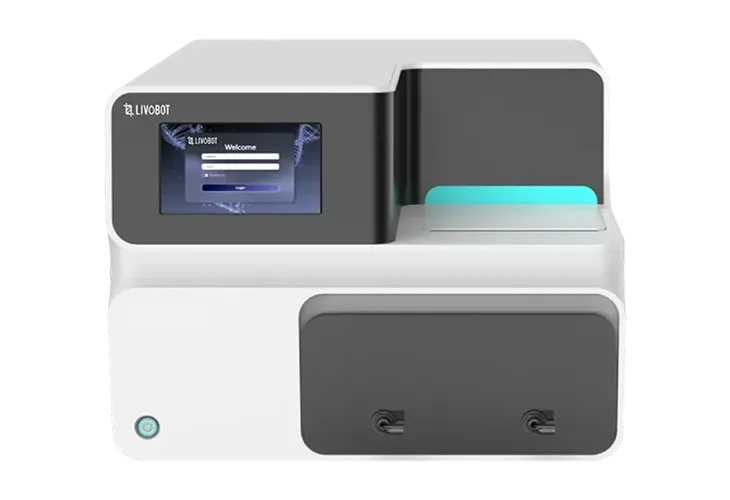
If you've ever heard the term "ultrasonicator" and wondered what it means, you're in the right place. An ultrasonicator is a device that uses sound waves at ultrasonic frequencies to carry out a variety of important tasks, particularly in scientific and industrial settings. Think of it like a tool that can help break things down at a very tiny level, often for applications like cell disruption, extraction, and more.
The basic function of an ultrasonicator is to generate high-frequency sound waves that create tiny bubbles in a liquid. When these bubbles collapse, they release a burst of energy. This process can be used to break apart cells or particles, making it a key tool for ultrasonic cell disruption or ultrasonic extraction in labs.
Its versatility makes it incredibly valuable across many fields, from research and development in laboratories to manufacturing processes that require precise material breakdown. Whether it's helping scientists extract compounds from plants or assisting in the preparation of samples for analysis, an ultrasonicator plays a significant role.
How Does Ultrasonication Work?
To understand how ultrasonication works, let's break it down. At its core, ultrasonication relies on high-frequency sound waves to generate mechanical energy in liquids. This energy can cause various effects, like breaking down particles or cells.
The ultrasonication principle is simple yet powerful. When an ultrasonic wave travels through a liquid, it creates pressure changes that generate tiny bubbles. These bubbles then collapse rapidly, a process known as cavitation. This collapse releases energy that can break apart molecules, cells, or other particles.
To visualize this, think of a sonication diagram: You'll see waves traveling through the liquid, leading to bubble formation and collapse. This phenomenon is essential for processes like ultrasonic extraction and ultrasonic cell disruption, where the goal is to break open cells or extract compounds from substances.
In simpler terms, the process uses sound waves to generate enough force to disrupt materials on a microscopic level, making it an essential tool in various applications.
Applications of Ultrasonication
Ultrasonicators are not just used in labs; they play a key role in many industries. From forensic labs to manufacturing plants, ultrasonicators are used for various tasks such as ultrasonic extraction and ultrasonic cell disruption. The sonication meaning in these contexts refers to the use of high-frequency sound waves to aid in.

 CN
CN