Gene sequencing technology has moved beyond laboratory research and become a core engine for precision medicine, life sciences research and agricultural modernization. It supports precise early warning for tumor early screening, rapid infectious disease tracing, molecular breeding of superior crop varieties, and root cause investigation of genetic disorders. With the accelerated adoption of NGS and the gradual application of third- and fourth-generation sequencing technologies, the global gene sequencing market continues to expand.
In the sample preparation stage of sequencing: from nucleic acid extraction, fragmentation, and end repair to adapter ligation, PCR amplification, product purification, size selection, hybrid capture, concentration quality control, and library pooling — every step directly determines the accuracy and reliability of subsequent sequencing data. Traditional manual operations bear challenges from high-throughput batch processing and frequent sample transfers across different instruments, introducing human errors, irregular library quality and cross-contamination that consumes precious samples; such cumbersome workflows severely impair the efficiency and quality of high-throughput sequencing.
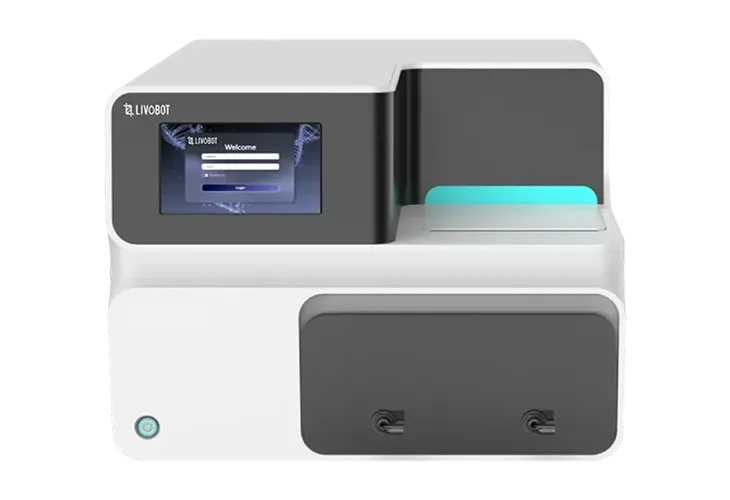
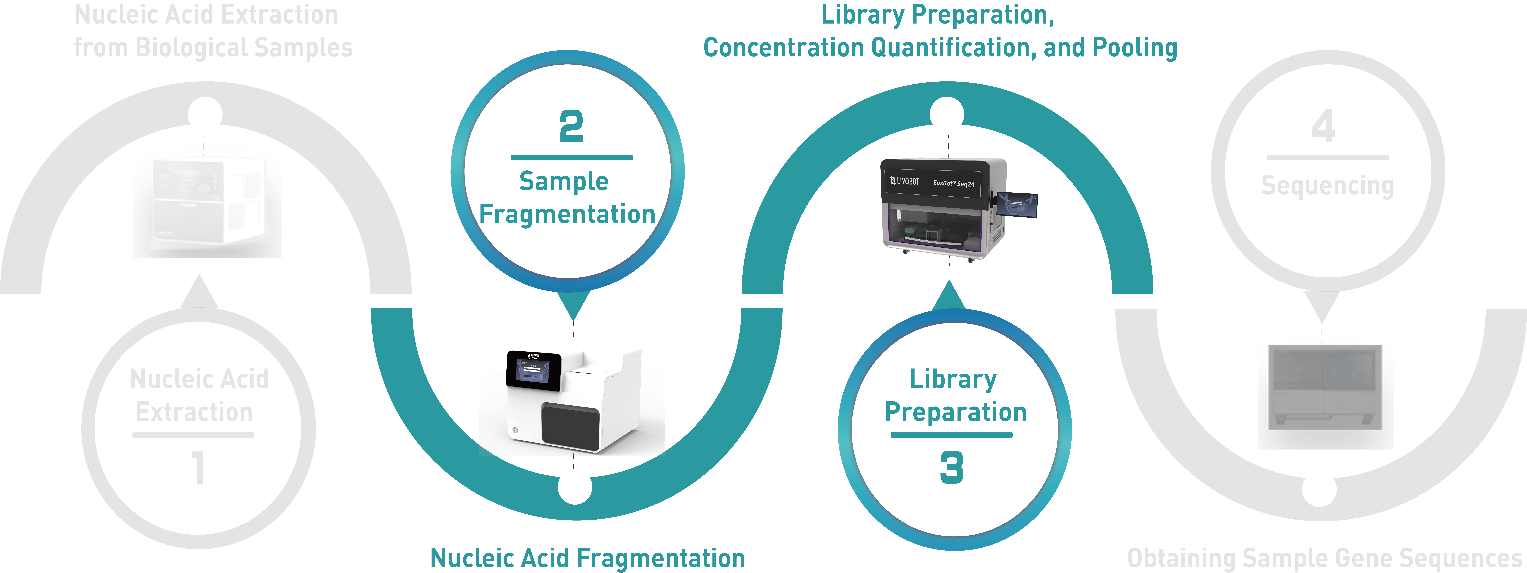
To address the key challenges in the sample preparation stage of the gene sequencing workflow, LivoBot has launched its "Automated Platform for Sequencing Sample Preparation (NGS- APW Integrated Fragmentation- to- Library Solution)". With a fully automated, highly integrated product portfolio, this solution helps laboratories overcome the "first critical barrier" of gene sequencing — covering the entire sample preparation workflow from nucleic acid fragmentation to library preparation — delivering both accuracy and high efficiency.
1. Precise Sample Fragmentation
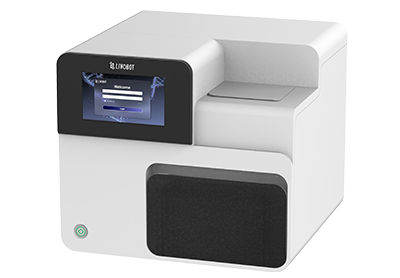
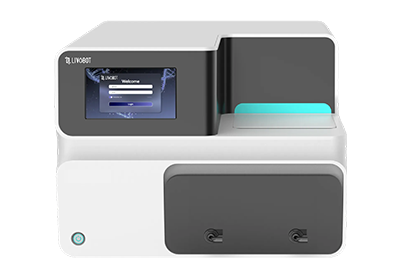
Nucleic acid fragmentation is a critical step in library construction. Uneven fragment sizes and base sequence bias directly affect the quality of sequencing data. LivoBot's EoSonics® FRAG Series Focused Ultrasonicator utilizes non-contact ACU™ (Adaptive Cylindrical Ultrasonic) focusing technology, using physical ultrasonic shearing to effectively overcome the drawbacks of traditional enzymatic fragmentation methods and closed consumable- based ultrasonication methods.
(1)Full high-throughput capability for nucleic acid fragmentation
(2)Single-row processing mode allowing different fragmentation parameters to be set per row
(3)Compatible with general consumables such as 8-tube strips and 96-well plates
(4)No frequent plate transfer required; samples can be directly loaded onto the instrument for fragmentation
(5)Optional dedicated consumables available, eliminating the centrifugation step
|
| 
|
| EoSonics® FRAG8 | EoSonics® FRAG96 |
| Principle | ACU™ | ACU™ |
| Dimensions | 417mm(D)×438mm(W)×385mm(H) | 660mm(D)×510mm(W)×382mm(H) |
| Weight | 25KG | 50KG |
| Throughput | 1 - 8 | 1 - 96 |
| Processing Volume | 15 -150μL, Scalable to milliliter level | 15 -150μL, Scalable to milliliter level |
| Fragmentation Length | 100bp - 5Kb | 100bp - 5Kb |
| Processing Mode | Single-row batch processing | Single-row batch processing |
| Parameter Settings | 1 type | 1 – 12 types |
| Standard Consumables | 8- tube strips / single tubes / dedicated consumables | 8- tube strips / 9- well plate / cell culture plate / dedicated consumables |
| Dedicated Consumables | Optional (centrifugation-free) | Optional (centrifugation-free) |
| Automation Integration | √ | √ |
| CE certification | CE certification |
2. Automated Library Preparation
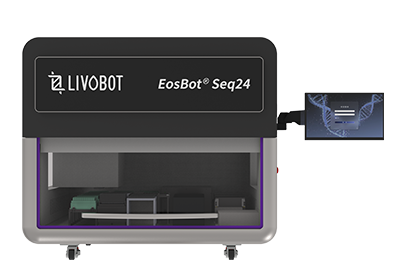
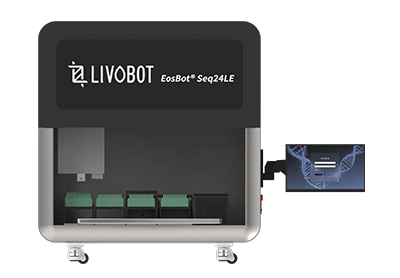
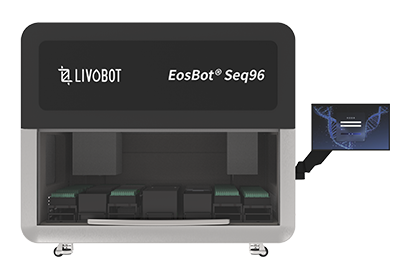
LivoBot's EosBot® Seq Series Fully Automated NGS Library Preparation System condenses the entire manual workflow into one instrument. It features a liftable magnetic stand for bead purification and size selection, and integrates a PCR module and concentration quantification module. This keeps samples on-deck for uninterrupted, contamination-free library prep, fully automating both construction and targeted capture.
(1)Library preparation, concentration QC, and normalization — all in one
(2)Externally sealed pipetting module for fast, accurate liquid transfer
(3)Full coverage of medium-to-high throughput, accommodating multiple experimental scales
(4)Diverse module configuration to meet all-scenario needs
| 
|
| 
|
| EosBot® Seq24LE | EosBot® Seq24 | EosBot® Seq96 |
| Dimensions | 800mm(D)×995mm(W)×1000mm(H) | 850mm(D)×1200mm(W)×1050mm(H) | 800mm(D)×1230mm(W)×1000mm(H) |
| Throughput | 1 - 24 | 1 - 24 | 1 - 96 |
| Pipetting Module | 24 | 8, 8, 24 | 8, 8, 96 |
| Pipetting Volume | 2 - 200μL | 2 - 1000μL | 2 - 1000μL |
| Quantification Module | √ | √ | √ |
| Applicable Scale | Small to medium-scale sample processing | Small to medium-scale | Large-scale sample processing |
| sample processing |
| Sequencing Reagents | illumina、 Thermo Fisher、 Vazyme、 CWBIO |
| Sequencing Platform | illumina、MGI、Life、GeneMind、PacBio、ONT and other mainstream second and third generation sequencing platforms. |
3. Application Cases
(1) EoSonics® FRAG Nucleic Acid Fragmentation
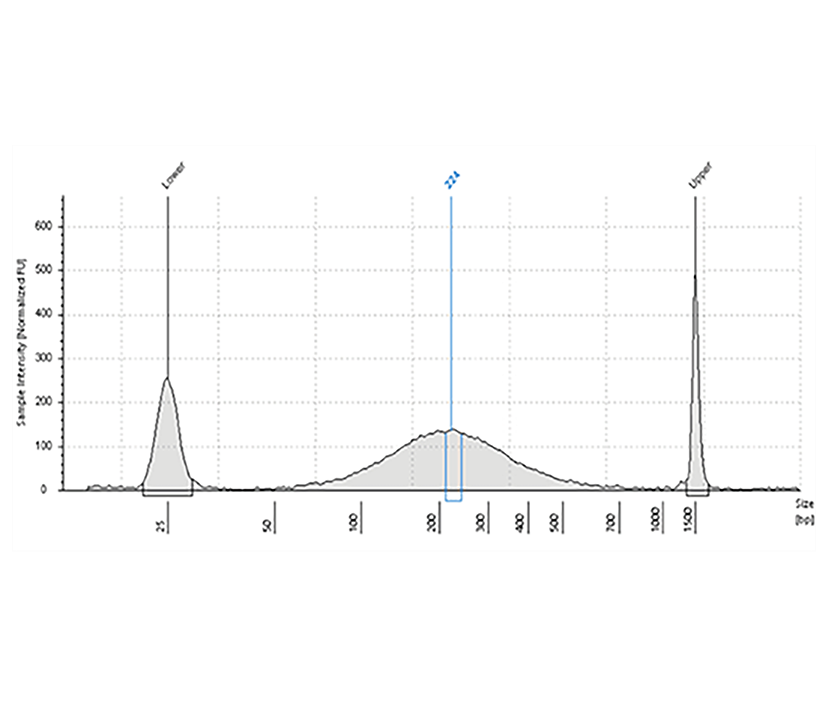
The EoSonics® FRAG Series fragments FFPE nucleic acids for TSO500 library prep and sequencing, with results compared to the Illumina-recommended protocol.
| Target Fragment | 200bp |
| Sample Type | FFPE |
| Sample Number | 2 |
| Average Fragmentation Length (bp) | 224 |
| Concentration (ng/μL) | 146 |
EoSonics® FRAG Fragmentation Results
Tumor Targeted Panel Library Preparation | 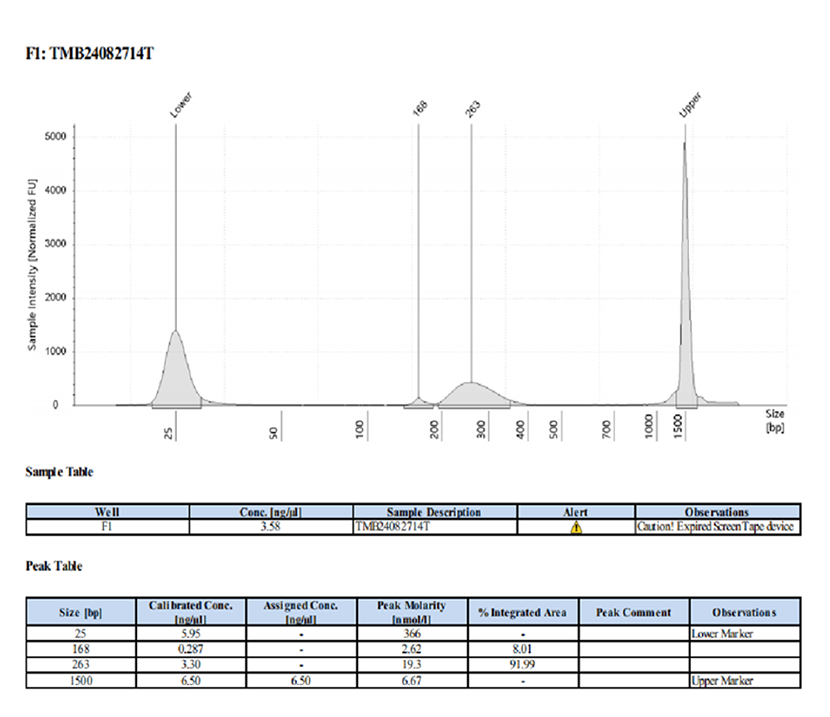
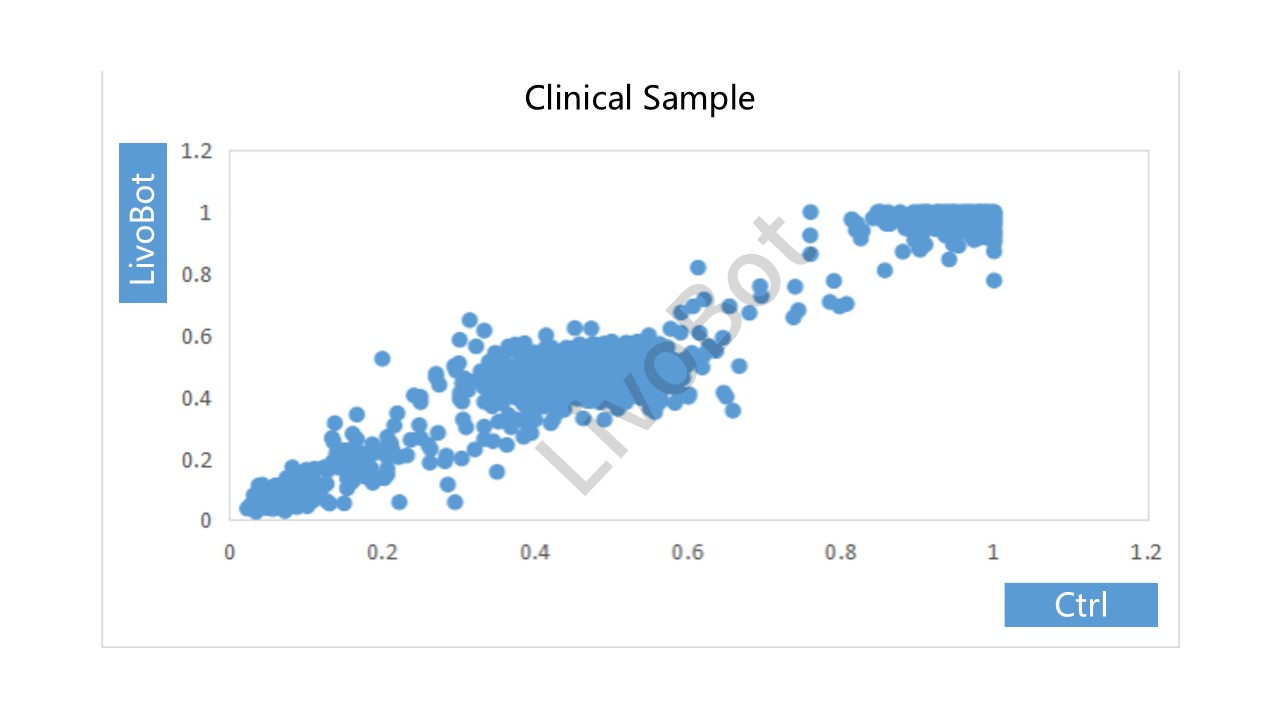
Sequencing Data QC Results |
Sample Number | Sonicator | Fragmentation Size (bp) | MEDIAN INSERT SIZE (bp) | median target depth | markdup 50x ratio | gc content |
| 2 | Control | 196 | 118 | 371 | 0.9665 | 0.4843 |
| LivoBot | 224 | 133 | 372 | 0.9675 | 0.4786 |
Downsampled to equal data, LivoBot matched the reference protocol across all metrics, producing 200–300 bp genomic DNA fragments suitable for direct high-throughput sequencing or bisulfite conversion for methylation analysis.
(2) EosBot® Seq Series Automated Library Preparation
Using a NIPT hybridization capture library preparation kit, 25 μL of cfDNA was input. Libraries were constructed with the EosBot® Seq Series Fully Automated NGS Library Preparation System, and the results were compared with those from manual library preparation. The following results were obtained.
| No. | Pre-library Concentration (ng/μL) | No. | Pre-library Concentration (ng/μL) | Post-hybridization Capture Concentration (ng/μL) |
| 1 | 45.4 | 17 | 36.8 | Sixteen hybridization reactions were performed, each with one replicate. The capture concentrations were 35/37.7 ng/μL and 33.1/37.4 ng/μL, with an average concentration of 35.7 ng/μL. |
| 2 | 42.6 | 18 | 55.8 |
| 3 | 54.6 | 19 | 106 |
| 4 | 41.6 | 20 | 118 |
| 5 | 60 | 21 | 88.4 |
| 6 | 43.8 | 22 | 49.4 |
| 7 | 56.2 | 23 | 35 |
| 8 | 54.4 | 24 | 44.4 |
| 9 | 114 | 25 | 58.6 |
| 10 | 85.4 | 26 | 44.2 |
| 11 | 89.4 | 27 | 50.2 |
| 12 | 35.2 | 28 | 40.2 |
| 13 | 75.2 | 29 | 104 |
| 14 | 38.8 | 30 | 31.6 |
| 15 | 41 | 31 | 45 |
| 16 | 57.4 | 32 | 118 |
| No. | Pre-library Concentration (ng/μL) | No. | Pre-library Concentration (ng/μL) | Post-hybridization Capture Concentration (ng/μL) |
| 1 | 33.2 | 17 | 35.2 | Sixteen hybridization reactions were performed, each with one replicate. The capture concentrations were 38.2/43.6 ng/μL and 40.6/39.6 ng/μL, with an average concentration of 40.5 ng/μL. |
| 2 | 42.2 | 18 | 50.2 |
| 3 | 47.2 | 19 | 120 |
| 4 | 42.4 | 20 | 128 |
| 5 | 65.4 | 21 | 73.2 |
| 6 | 48.4 | 22 | 51 |
| 7 | 50.2 | 23 | 33 |
| 8 | 55.4 | 24 | 53.6 |
| 9 | 111 | 25 | 63.2 |
| 10 | 81.6 | 26 | 40.4 |
| 11 | 94.6 | 27 | 68.4 |
| 12 | 41.6 | 28 | 40.2 |
| 13 | 82 | 29 | 108 |
| 14 | 45.4 | 30 | 36.6 |
| 15 | 40 | 31 | 55.8 |
| 16 | 68 | 32 | 123 |
Automated library prep mean conc: 61.3 ng/μL; manual: 63.4 ng/μL (3% difference).
Automated hybrid capture mean conc: 35.7 ng/μL; manual: 40.5 ng/μL (11% difference).
Both stages meet customer requirements. LivoBot's automated workstation replaces manual handling, improves library uniformity, enhances accuracy, and significantly boosts clinical diagnostic efficiency for genetic diseases.

 CN
CN